Research Notes
Source discovery can speed up the start of a research task. The useful result is a shortlist to inspect, not a collection to trust automatically.
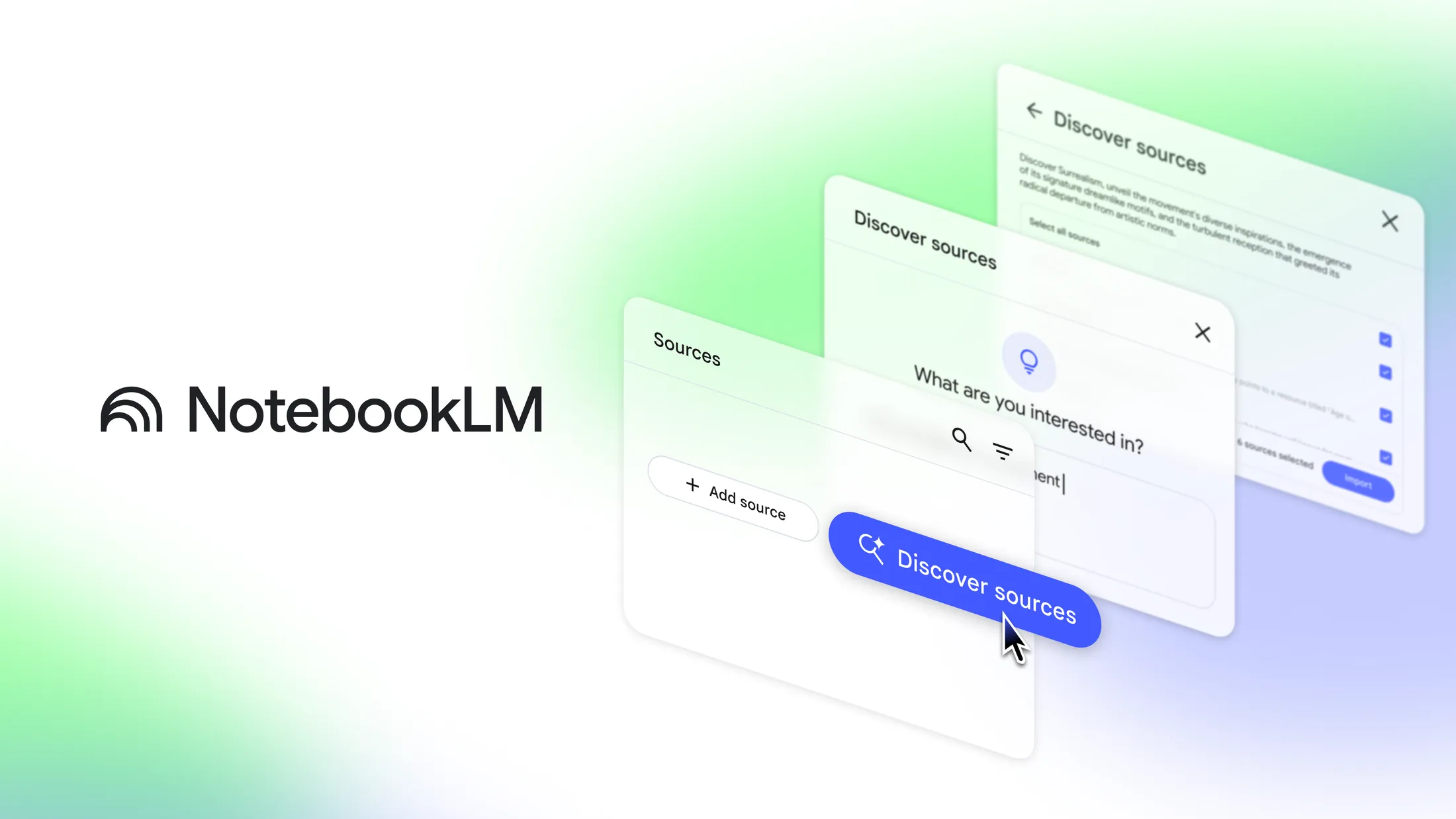
Search for the decision you need to make
Describe a question and its scope rather than a broad topic. For example, ask for evidence about reducing interruptions in a small support team, not “productivity tips”. Google describes Discover Sources as a way to suggest sources for a topic and bring selected material into a notebook. The following screening process is our editorial recommendation.
Screen the shortlist outside the summary
Open each promising source. Identify the publisher, publication date and whether it provides original evidence, product promotion or an interpretation of someone else’s work. A readable summary does not tell you whether the original method matches your situation. Two articles repeating the same report count as one underlying line of evidence.
Keep disagreement in the packet
Do not discard a relevant source only because it complicates an attractive conclusion. Label differences in audience, definitions and measurement. A study of individual concentration and a vendor’s team-efficiency survey may be answering different questions. Ask the notebook to preserve those differences rather than merge them into a single confident number.
Stop when another source will not change the decision
Choose a stopping condition before browsing indefinitely: enough credible evidence to explain the options, the uncertainties and the next small experiment. Save rejected sources with a brief reason when the decision matters. Revisit time-sensitive claims before acting; a discovery feature does not guarantee that every recommended page is current.
An example to adapt
Find sources relevant to: [specific question, audience and time period].
After I select sources, build a source inventory with publisher, date, evidence type, relevance and limitations. Do not treat repeated coverage of one report as independent evidence. List questions the collection cannot resolve.
Illustrative starting point. Adapt it to your inputs, permissions and review process.
Before you use it
- Original pages were opened.
- Dates and methods fit the question.
- Duplicate evidence is recognised.
- A contrary view has not been hidden.