Research Notes
A reading backlog becomes manageable when every source has a role. Sort the question, evidence and remaining uncertainty before asking AI for another summary.
Separate orientation from evidence
An introductory article may explain vocabulary without supporting your final decision. Mark sources as background, primary evidence, commentary or product documentation. These categories can overlap, but the label should explain why you are keeping each item. Start with a specific research question so relevance can be assessed.
Use a source inventory
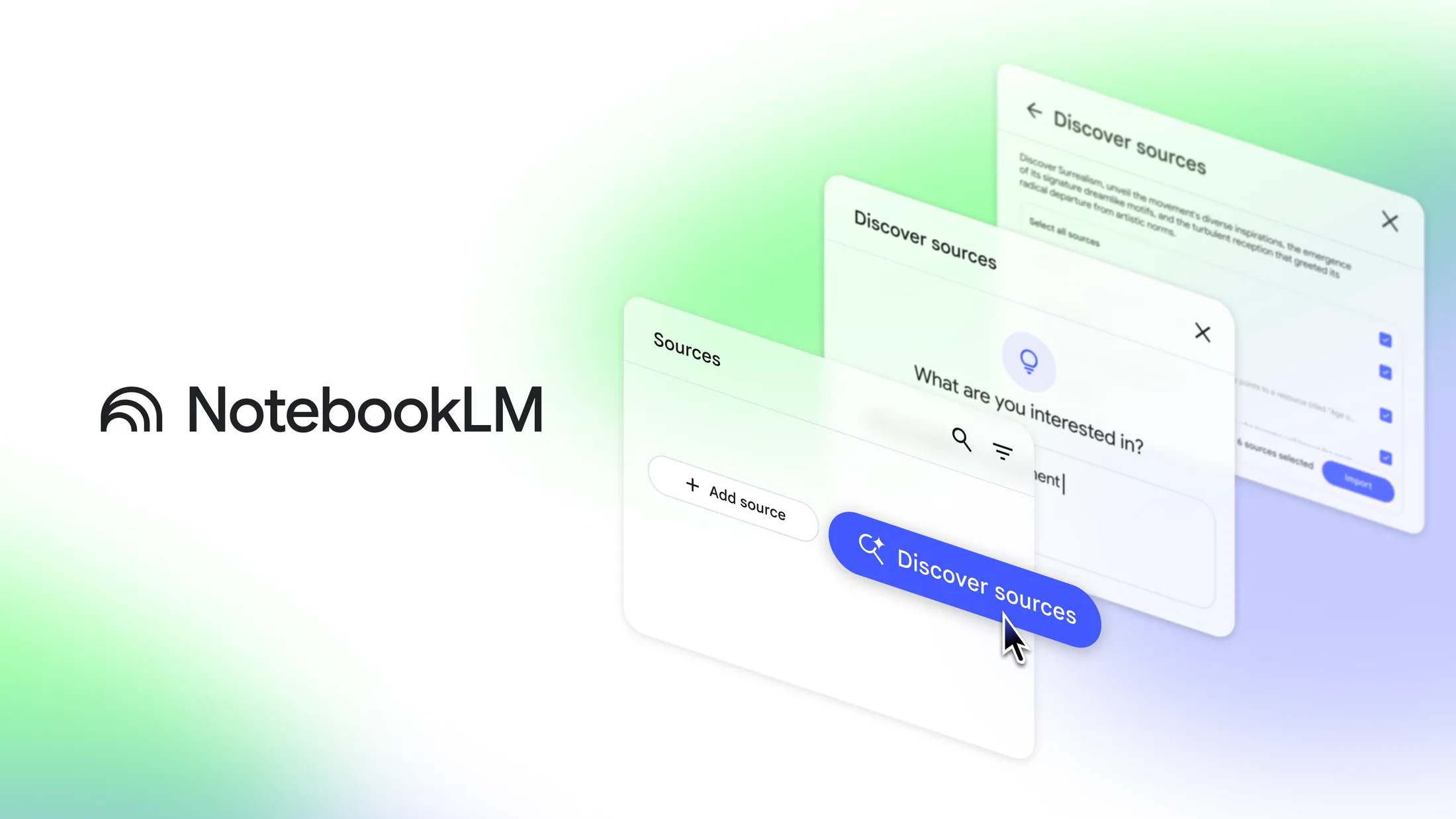
Record title, publisher, date, evidence type and the question the item might answer. If you have only a title and abstract, state that limitation. Do not ask the model to describe methods it has not seen. Source discovery tools can help find candidates; they cannot replace reading the material needed for your claim.
Prioritise by decision value
Read the item most likely to resolve a central uncertainty, even if it is less approachable than a popular overview. Group duplicate coverage of one study. A useful plan identifies which sources can be skimmed, which need close reading and which are irrelevant to the present question.
Produce an explicit stopping note
Finish with what you know, what remains uncertain and whether the remaining uncertainty changes the next action. If you cannot answer the question within the available time, narrow the question. Keeping a short unresolved list makes later work more efficient than pretending a long bibliography equals understanding.
An example to adapt
Using only this source inventory, propose a reading order for [question]. Label background, primary evidence and commentary. Identify duplicate coverage and missing evidence. Do not infer findings from titles alone. Give a reason to read each priority item and a stopping condition for this research pass.
Illustrative starting point. Adapt it to your inputs, permissions and review process.
Before you use it
- Every source has a role.
- Unopened material is labelled.
- Duplicate coverage is grouped.
- The plan includes a stopping condition.