Research Notes
Document comparison needs version labels and a consistent set of questions. Otherwise an AI answer can combine two incompatible passages into a plausible compromise.
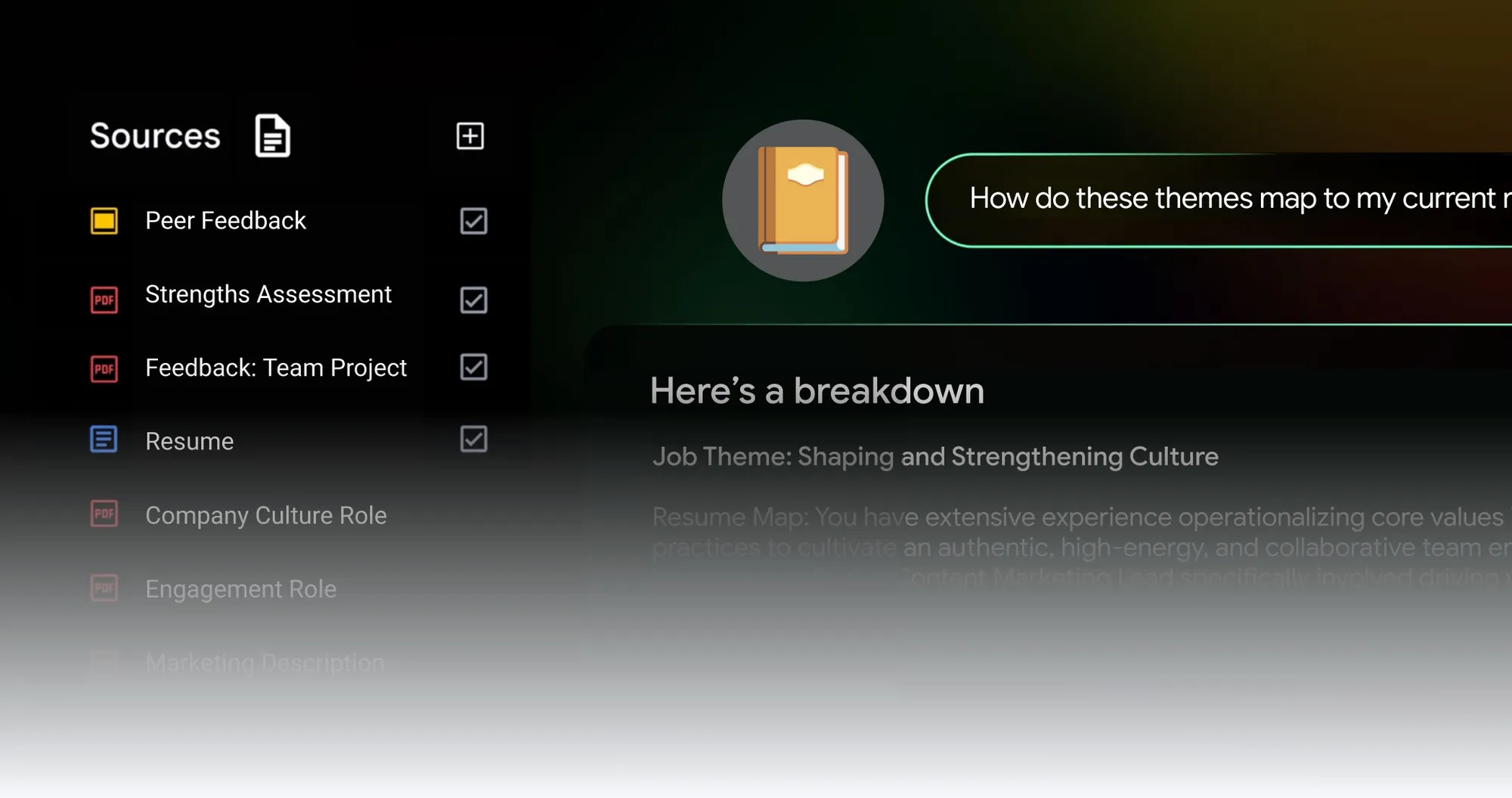
Establish which documents you have
Label the documents A and B with their titles, dates and status. An approved guide and an informal proposal should not receive the same authority by default. Confirm that both cover the same process and audience. If one is an excerpt, say so: an absent passage is not necessarily a removed requirement.
Use a comparison grid
Choose the dimensions first: scope, owner, required inputs, sequence, deadline and exception route. Ask for separate evidence references for A and B. A table with blank cells can be correct when a document does not address a dimension. “Not stated” is safer than filling the gap with a familiar industry practice.
Distinguish change from interpretation
A renamed heading may contain the same rule. A small word such as “may” becoming “must” may change the meaning. Inspect the original wording around each alleged difference. Ask the tool to keep a separate column for editorial interpretation so it cannot masquerade as quoted source content.
Route consequential conflicts to the owner
For ordinary process documents, send a concise question to the responsible owner: which version governs, and what should happen during the transition? Do not let an AI comparison make a legal or contractual determination. Save the confirmed answer with the version inventory so the comparison has a useful life beyond the chat.
An example to adapt
Compare documents A and B on scope, ownership, required inputs, sequence and exceptions. Keep separate columns for each document and its evidence reference. Use “not stated” where appropriate. Add a final column for possible implications, clearly labelled interpretation. Do not reconcile conflicts on your own.
Illustrative starting point. Adapt it to your inputs, permissions and review process.
Before you use it
- Version and status are known.
- Each difference has two source references.
- Absence is not automatically treated as removal.
- The responsible owner resolves conflicts.