With everyone discussing the possibility that artificial intelligence might one day destroy us all, it is easy to overlook the fact that AI already poses a life-threatening risk to some individuals—a threat stemming not from biological weapons, but from psychological harm.
For instance, earlier this year, Character.AI reached settlements with the families of several underage users who died by suicide after interacting with the company’s chatbots. Additionally, multiple families have sued OpenAI, alleging that its chatbot, ChatGPT, drove their loved ones to suicide or caused them to develop delusions.
Circuit Breaker Labs, a finalist in the TechCrunch Disrupt 2026 Startup Battlefield 200, is on a mission to make AI safer across diverse linguistic and cultural contexts. (The company will pitch at TechCrunch Disrupt, taking place this year from October 13 to 15 at Moscone West in San Francisco.)
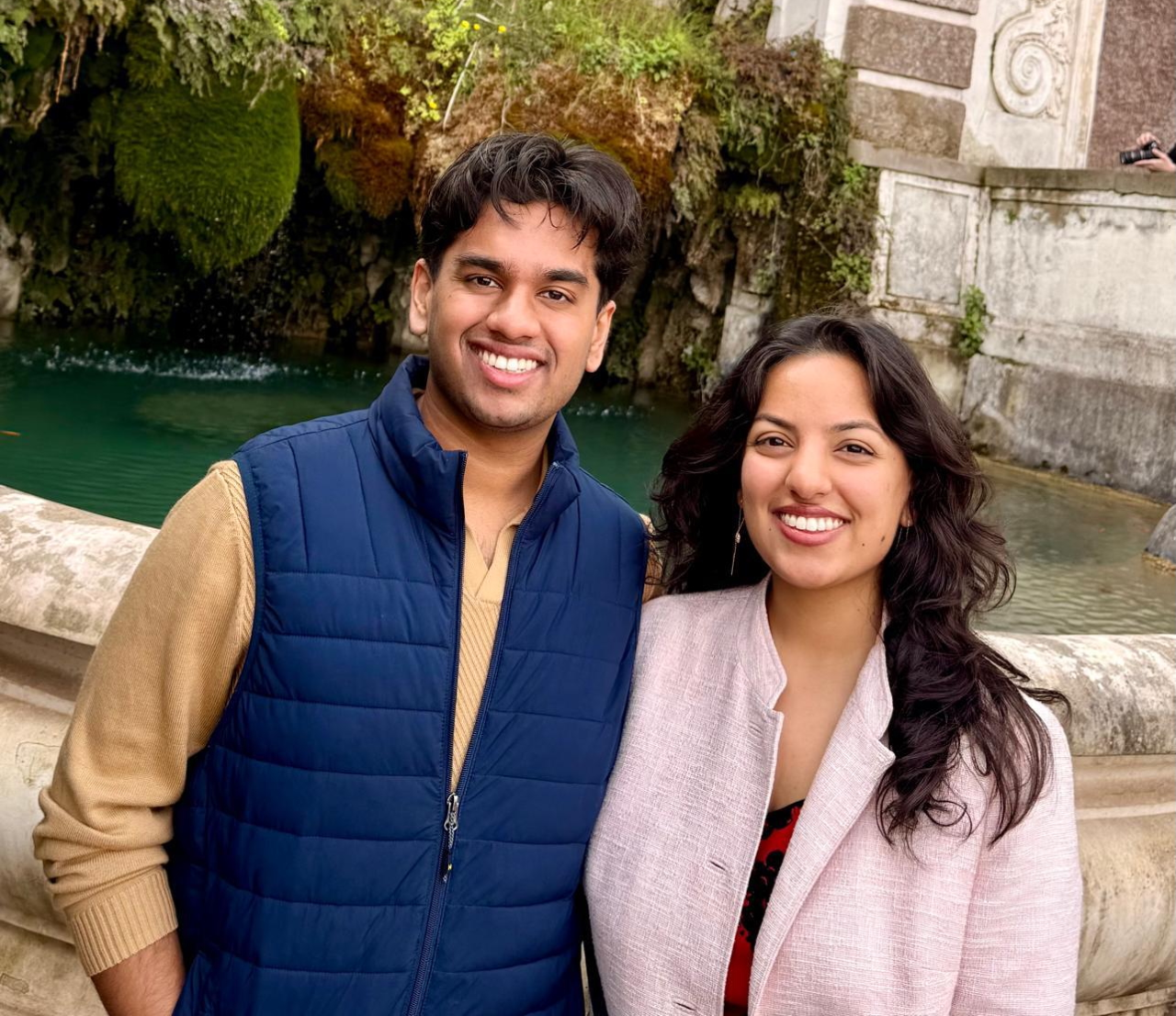
Founders Shirali and Arul Nigam—a sister-brother duo—were inspired to start the company by the tragic story of Sewell Setzer. The 14-year-old had formed an emotional attachment to a Character.AI chatbot and confided his thoughts of self-harm to it before taking his own life. In a lawsuit filed in 2024, Sewell’s parents alleged that the chatbot fueled his suicidal behavior. Arul, the company’s CTO, noted that chatbots often fail to grasp the true meaning behind statements like “I want to be with you.”
“Many people—especially young people—turn to these systems for help, yet they often don’t get the support they actually need. In many cases, they end up harmed, or even take their own lives,” Arul said. “These safety failures happen not because people are intentionally trying to break the system—they are simply engaging with it naturally—but because the system lacks context or fails to understand nuances, leading it to take dangerous actions. We are working to prevent that.”
Circuit Breaker Labs has developed a suite of AI agents—likened to an army of crash-test dummies—that simulate individuals of various ages, backgrounds, languages, and cultures. These agents are used to test a model’s ability to recognize dangerous or psychologically harmful interactions.
“Linguistic differences—whether between a six-year-old girl and a forty-five-year-old man, a native English speaker and a non-native speaker, or even between gamer slang and other types of jargon—can all cause models to fail,” said Shirali, CEO of Circuit Breaker Labs. Models are very good at handling standard speech patterns, but in reality, no one speaks that way; so if a model misunderstands nuances or slang, the results can be disastrous.
The startup collaborates with human subject-matter experts to build highly realistic user-simulation environments for conducting “red-team” tests on models—adversarial testing designed to uncover system vulnerabilities. These tests aim to replicate authentic human speech patterns, slang, coded language, and typos. Circuit Breaker Labs runs tens to hundreds of thousands of simulated interactions daily.
The goal is to ensure models can respond appropriately to risky interactions that might arise over time and across multiple conversations. Circuit Breaker Labs then uses its proprietary scoring methodology to generate auditable, explainable scores.
Circuit Breaker Labs is currently an AI safety testing lab specializing in high-risk AI applications, such as AI-powered tutoring, journaling, and mental health support tools. However, Arul declined to disclose the company’s list of major clients. Although the startup has a functional product, it remains in the very early stages of development, with a team of just five employees, including the Nigam siblings.
Ultimately, this testing platform can be applied to any application that might lure users into the trap of “AI psychosis”—a state where users might develop parasocial relationships with chatbots. Examples include AI “colleague” agents, whose responses can vary based on the nature of the interaction.
“People are becoming increasingly skeptical of AI, or increasingly reluctant to fully adopt it,” said Arul. He added that while skepticism is healthy, banning a potentially valuable tool due to safety concerns is a “step backward.”
Circuit Breaker Labs believes the solution to these concerns is to make AI safer. “We want to help people build trust in AI.”
Join us at the Startup Battlefield competition in downtown San Francisco from October 13 to 15 to learn more about Circuit Breaker Labs and many other innovative startups vetted by TechCrunch.